Benjamin Franklin

Miami, FL

  • Home
  • Services
    • Drain Clearing
      Drain Unclogging
      Drain Cleaning
      Emergency Plumbing
      Faucet Installation
      Faucet Repair
      Garbage Disposals
      Garbage Disposal Repair
      House Repiping
    • Hydro-Jetting
      Leak Detection
      Plumbing Repairs
      Sewer Line Repair
      Sewer Line Replacement
      Shower Installation
      Shower Repair
      Sump Pumps
      Tankless Water Heaters
    • Toilet Installation
      Toilet Repair
      Water Filtration
      Water Heater Installation
      Water Heater Repair
      Water Line Repair
      Water Line Replacement
      Water Softeners
      Well Pump Repair
  • Service Areas
  • Specials
  • About
  • (305) 697-7393
  • Book Now

What is the best temperature setting for my water heater?

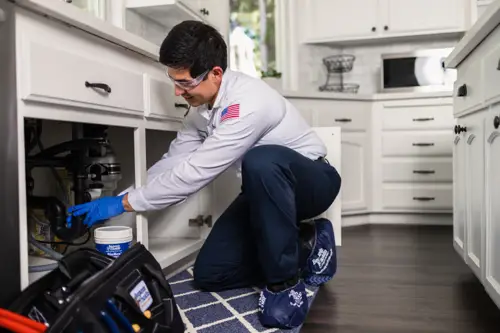
Diego from Benjamin Franklin Plumbing in Miami, working under a sink in a kitchenWhen it comes to hot water for washing dishes, doing laundry and taking showers, your water heater plays a crucial role. Not only does it affect your comfort, but it also affects energy consumption, safety and the lifespan of your appliances. To keep hot water available, energy efficiency high and safety hazards low, it’s important to set the temperature correctly.

Impact on Appliances and Plumbing

Many of your plumbing and appliance systems are sensitive to the water heater’s temperature setting. Excessive heat from the water can wear out pipes and appliances faster than they should, which can lead to damage and expensive repairs sooner rather than later.

Mineral deposits can accumulate in pipes due to higher temperatures, which is particularly common in regions with hard water. Appliances might have their water flow restricted, their efficiency reduced and their lifespan shortened due to these deposits. In contrast, if you turn the thermostat down too low, your water heater will have to work harder to keep up with demand, which can be taxing on its components.

Energy Efficiency and Water Heater Temperature

The temperature of your water heater affects both its efficiency and the amount of money you spend on utilities. For maximum efficiency, the U.S. Department of Energy suggests a temperature of 120 degrees Fahrenheit, or 49 degrees Celsius. The water heater uses less energy and your monthly utility bills go down when the water is at this temperature.

Energy savings of three to five percent are possible for every 10-degree drop in temperature. Problems can arise, though, when the temperature is set too low; dangerous bacteria like Legionella can flourish in water that is just slightly warmer than bath water. Finding the sweet spot where efficiency meets safety is paramount. Getting an insulated water heater or setting it to operate only when needed will help you save even more money on energy bills if that’s your main concern.

Recommended Temperature for Water Heaters

Experts agree that water heaters work best when heated to a temperature of 120 degrees Fahrenheit. Hot water at this temperature is ideal for most home uses, and it also reduces the likelihood of burns and the spread of bacteria. Some homes may need to lower the temperature a bit because of things like the presence of elderly people or young children who are more prone to burns.

Setting the water heater to 140 degrees Fahrenheit is a good idea if you have a dishwasher that doesn’t preheat the water, a lot of people living in your house or someone with a compromised immune system. This temperature keeps bacteria and germs at bay, makes sure your dishwasher cleans and sanitizes dishes well and keeps the water hot even when there’s a lot of use. It is crucial to exercise caution, though, because water at this temperature can scald in under two seconds.

How to Adjust Water Heater Temperature

It won’t take you more than a few minutes to change the temperature setting on your water heater. For safety reasons, you should turn off the power to the heater before making any adjustments. A thermostat dial located close to the heater’s base is standard on most contemporary models. You might be able to access the thermostat for your gas water heater through a panel on the front of the device.

In electric models, you’ll typically find two thermostats, one behind a screw-off panel for the upper element and another for the lower heating element. When you find it, turn the dial to adjust the temperature. Allow the water heater some time to adjust to the new setting by making small adjustments at first.

Using a water thermometer at the faucet is a smart way to make sure the water is at the right temperature. A skilled plumber can guide you through this process if you’re confused about what to do.

Factors Affecting the Best Temperature Setting

The best temperature for your home’s water heater depends on a number of things. One of the main things to think about is the weather. A slightly higher temperature might be necessary in colder areas to make up for heat loss while it travels through the pipes. A higher setting may also work better for larger households to guarantee that there is adequate hot water for multiple activities, such as running the dishwasher and taking a shower at the same time.

Considerations of health and safety may influence your choice. Another consideration is the hardness of the water supply; in houses with exceptionally hard water, mineral deposits can accumulate more quickly when the temperature is higher. To keep your water heater running smoothly and safely, it’s important to do routine maintenance and make modifications according to these parameters.

Preventing Scalding Risks

To further lessen the likelihood of burns, some water heaters have a tempering valve or anti-scald technology that mixes cold and hot water before it reaches the faucet. It might be prudent to install these security measures for residences that house especially vulnerable people. Checking the water temperature at the faucets on a regular basis, particularly after making modifications, might help you detect any irregularities and avoid possible harm.

Maintaining Consistent Water Temperature

The water temperature will stay consistent as it flows through your plumbing system if you insulate your water heater and the pipes that go out of it. Another way to keep your water heater in good working order and ensure a consistent temperature is to flush the tank regularly to remove sediment buildup. Make sure to check the thermostat every so often; it’s easy to accidentally change the settings or for them to lose some of their accuracy over time.

If you need your water heater serviced, call Benjamin Franklin Plumbing. Our highly skilled technicians will quickly diagnose the problem and fix it so that your system runs at peak efficiency. We can also help with temperature settings and thermostat calibration.

Filed Under: Blog

PEX vs. Copper Piping: Which Should You Install?

James from Benjamin Franklin Plumbing in front of his van in Miami, FLIf you’re installing new plumbing in your home, you may be looking at copper and PEX pipes and wondering which material is the best for your needs. Each option has different qualities that make them worth considering. Copper pipes have been around for centuries.

They are known to be durable, reliable, and resistant to high temperatures. PEX pipes, which have been used for plumbing since the 1990s, are made from a corrosion-resistant flexible plastic material that can typically withstand freezing weather. Both choices can reliably bring fresh water into your house for years at a time, but you’ll want to consider their differences before deciding which pipes to install.

Installation

When you’re choosing a piping material, you’ll want to consider how installation can affect your plumbing project.

PEX piping consists of flexible tubing that can bend around obstacles and be connected with push-fit or compression fittings that eliminate the need for soldering. This makes it faster and easier to install in tight spaces and reduces the number of fittings needed to complete the setup. PEX piping resists scale buildup and corrosion, but UV rays, chemical contamination, and rodents can damage it, which makes this material unsuitable for outdoor use.

Copper pipes are straight metal alloy tubes that must be cut to fit and soldered together. They can stand up to high pressures and temperatures for many years, but can also become susceptible to scale buildup and corrosion as time goes by. Copper is resistant to UV rays and rodents. It’s suited to outdoor use, but its rigidity can make it difficult to install.

Cost

New plumbing is an investment in your quality of life, so it’s important to consider the cost of materials and installation to get the most value for your money.

PEX piping tends to cost less overall because it has a lower cost, typically ranging between $0.30 and $12.00 per linear foot depending on its diameter. It’s also fast and easy to install.

Copper piping tends to be expensive up front, generally ranging from about $1.35 to $117.75 per linear foot. It also requires more time and technical expertise to install.

Lifespan

The longevity of your plumbing system can impact its long-term operating costs and your home’s resale value.

PEX pipes tend to last 25 to 40 years with proper care and maintenance. A qualified plumber can advise you on how to optimize its performance and maximize its longevity.

Copper piping can last over 50 to 70 years or longer when it’s properly installed and maintained, but it can also be susceptible to corrosion, scale buildup, and leaks over time. Hiring a plumber to inspect your pipes from time to time and fix any damage can keep your plumbing running smoothly and enhance the value of your home.

Accessibility

Because PEX piping systems are more modern, they tend to be designed in a manner that makes them more accessible and easier to manage.

PEX pipe systems include a water distribution manifold that has individual valves that serve different areas of your house instead of a central supply valve. Copper piping has one main supply valve that supplies water to the entire house. It may also be less accessible if it is installed behind drywall.

Maintenance and Care

Maintaining your plumbing system can potentially be costly and time-consuming, so your tolerance for upkeep may influence your purchasing decision.

With proper installation and care, PEX piping is low maintenance. To safeguard its resilience and prevent UV damage, plumbers should position it out of the way of direct sunlight or bury it below ground. It’s also important to keep PEX piping away from chemicals like chlorine and solvents that can cause the material to degrade and crack. Most residential PEX plumbing pipes are rated to withstand temperatures of 180°F at pressures of 100 psi.

Copper piping needs regular maintenance to perform well over its lifetime. Homeowners should periodically check for signs of leaking, scale buildup, and corrosion and protect pipes against freezing temperatures. They should also keep the pipes away from acids and other harsh chemicals. Otherwise, copper pipes have the advantage of being UV resistant, so they are fine for use outdoors.

Resale Value

The piping material you install in your home can impact your home’s resale value. Because copper has a good reputation for durability, reliability, and longevity, many buyers prefer homes with copper pipes. On the other hand, PEX pipes are a modern alternative that can reduce energy and maintenance costs, which many buyers consider to be an advantage. Overall, the age and condition of the piping system and the tastes of the market in a particular location will affect its impact on a home’s resale price.

Sustainability

Many homeowners today who are concerned about reducing their environmental impact and lowering their energy costs are looking to install more sustainable plumbing systems.

Manufacturing and Production Impacts

Although PEX piping is made from plastic, it is considered to be relatively sustainable because it requires less energy to manufacture than copper. Since polyethylene, the main component in PEX piping, is a byproduct of the process used to refine oil or natural gas for fuel, manufacturing PEX does not require direct extraction of raw materials from the earth.

Copper piping is energy-intensive to produce, so its production has a greater impact on global warming. Its raw materials (copper ores) are generally strip-mined from the earth, which destroys natural habitats and produces huge amounts of pollution and waste.

Water and Energy Use

Because copper conducts heat, copper piping wastes more energy than non-conductive PEX pipes as water travels through them. People who have copper pipes may also waste more water and energy overall if the water in their system takes longer to heat up.

Recyclability

Copper pipes can easily be melted down and recycled to create new pipes. PEX tubes can’t be melted for reuse as piping, but they can be ground up and used to create composite lumber and other construction products.

Which Piping Material Is Best For You?

Choosing the right piping material for your home is a matter of weighing each type’s pros and cons against your specific needs. Deciding between PEX and copper piping usually depends on where you live, how long you want your pipes to last, and what you can afford. The professionals at Miami Benjamin Franklin Plumbing can give you advice about how installing copper or PEX pipes could benefit you, so you can choose the system that provides the best performance and value overall. If you’re noticing signs that your home needs new piping, they can help guide you through the process.

Filed Under: Blog

How do I know if my home needs new piping?

Team of four Benjamin Franklin Plumbing Techs standing in front of blue service vanYour plumbing system is one of the most important parts of your home. Having healthy pipes can have a major impact on the overall comfort, energy efficiency, and functionality of the house. Even if you take good care of your piping, it will eventually need to be replaced.
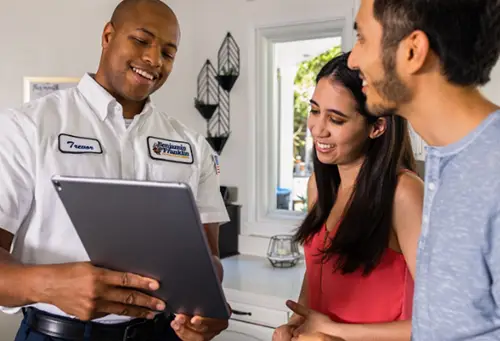
Unfortunately, it can sometimes be difficult to tell when it’s the right time to invest in repiping. However, if you know which signs to look for, you’ll give yourself the opportunity to be proactive about replacing your pipes, which can help you avoid costly plumbing issues.

Here, we’ll take a look at a few of the clearest indicators that your home needs new piping.

1. You’re Experiencing Frequent Plumbing Leaks

Regardless of the age of your piping, it’s normal to experience the occasional plumbing leak in your home. However, if you’re dealing with frequent leaks and haven’t had your house repiped in many years, it may be time to take action. Over time, the pipes in your home will gradually deteriorate, and this process will be significantly quicker if you’re in an area with hard water. If you’re suddenly noticing an increase in plumbing leaks, it likely means that the walls of your piping are becoming thin and weak. If this is the case, the issue will only continue to worsen until you invest in repiping.

2. Your Pipes Are Made of Lead, Galvanized Steel, or Polybutylene

If you discover that your home has pipes made of lead, galvanized steel, or polybutylene, it’s important that you have them replaced as soon as possible. Pipes made with these materials are most commonly found in older houses, and they tend to cause quite a few major problems. For example, pipes made from lead or galvanized steel can potentially be harmful to everyone in your household. Polybutylene pipes, on the other hand, are very susceptible to damage, which often leads to devastating plumbing emergencies.

If your pipes are made with any of these materials, it’s essential that you have them replaced with a more modern alternative, such as PEX pipes, which are much safer and more reliable.

3. Your Water Pressure Is Poor

Poor water pressure is another common sign of piping that needs replacing. Over the years, issues like sediment buildup and corrosion will gradually obstruct the flow of water through your pipes. This process can be accelerated by the presence of hard water, but it can also be slowed down by regularly investing in plumbing maintenance. Eventually, though, aging pipes will start to decrease the water pressure in your house. This can make it difficult to do a variety of daily tasks, such as showering, washing dishes, and watering your plants.

If you’re noticing poor water pressure with new pipes, it likely means you have a minor plumbing issue to address, such as a clogged or leaky pipe. However, if this issue becomes persistent with older piping, the best solution is likely to invest in repiping.

4. Your Water Is Discolored

Have you noticed that water in your home has an unusual color? When your pipes are severely corroded, that can allow a significant amount of rust to seep into the water. This can result in the water having an unappealing yellow or brown tint. That said, it’s important to note the specific context of any discolored water you’re seeing. For example, if all of your water has a strange color, it’s likely due to pipe corrosion. However, if the discoloration is limited to hot water or water from a specific tap, then the issue is probably localized to your water heater or a specific fixture.

5. Your Pipes Are Making Loud Noises

When the pipes in your home are new and healthy, you typically won’t hear much noise from them at all. However, as your piping becomes older and starts to wear down, it may start producing strange sounds. These noises can vary, ranging from squealing and shrieking to loud banging. Regardless of the exact type of sound, persistent noises from your pipes are a strong indicator that it’s time to consider repiping.

Trust Benjamin Franklin Plumbing for Your Repiping Needs

When you’re ready to invest in new piping for your home in the greater Miami, FL area, it’s essential that you trust the project to qualified professionals. The expert plumbers at Benjamin Franklin Plumbing will provide you with high-quality workmanship while treating you with respect, honesty, and transparency throughout the entire process. If you’d like to schedule a plumbing inspection or are ready to have your home repiped, simply give Benjamin Franklin Plumbing a call today.

Filed Under: Blog

How Often Do Homes Need to Be Repiped?

Benjamin Franklin Plumbing Tech, Trevor, speaking with homeowners at their home in Miami FLThe pipes that carry fresh, potable water into your home have a finite lifespan. Although some water supply pipes can last up to 100 years, others can fail after just 20. Factors like excessively hard water, high water pressure, and corrosion can shorten the lifespans of these important plumbing system features.
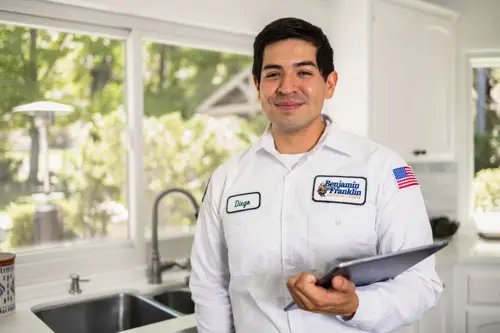
At Benjamin Franklin Plumbing, we help homeowners protect their water quality and save money. That’s why we’re sharing everything you need to know about having your home repiped.

Pipe Materials Matter

The age of your pipes is the best indicator of the need for replacement. However, given that some pipe materials last significantly longer than others, what your pipes are made of matters too. Stainless steel water supply pipes typically last two to five decades. Cast iron pipes can last a century or more. On average, brass and copper pipes last 40 to 60 years. Although PVC, PEX, and other plastic water supply lines can last indefinitely, they aren’t impervious to problems.

General Recommendations for Repiping

In general, homeowners should replace their water supply pipes every 40 years. This remains true irrespective of pipe materials. Repiping optimizes water pressure, ensures water safety, and keeps homes on par with the latest plumbing codes. Repiping every four decades also adds value to homes and makes it easier for properties to pass lender-required inspections when selling.

The Unfortunately Long Lifespan of Lead Pipes

The Safe Drinking Water Act was amended by Congress in 1986 to exclude the use of lead pipes and other lead plumbing materials in water supply systems. However, although this ban prohibited the use of lead in new plumbing systems, it didn’t mandate the immediate removal of existing lead water supply lines.

If you inherited an older home or purchased your home without a pre-sale inspection, there’s a fair chance that there’s lead in your plumbing system. Lead pipes can last 100 years without experiencing major leaks, changes in water pressure, or other performance issues. This is good reason to have aging water supply pipes professionally inspected and replace them after 40 years of service.

Sudden Changes in Water Pressure

Hard water brings dissolved minerals like calcium and magnesium into water supply lines. Much like they do on faucet handles, these minerals create heavy build-ups in pipe interiors. If your home’s water is very hard, these buildups will eventually decrease the interior diameter of your pipes and inhibit the movement of water. If turning on your taps results in weak, guttering streams, you may need repiping service.

The Taste, Smell, and Clarity of Your Tap Water

Another sign of age-related water supply pipe failure is discolored, foul-smelling, or foul-tasting water. As water supply pipes age, they can develop tiny “pinhole” leaks. Not only do these leaks let fresh water out, but they also let outside contaminants in. If you have leaky water supply pipes at the exterior of the building, your tap water could be rife with bacteria and soil-based chemicals.

Frequent Water Leaks

Water supply line leaks can cause significant property damage. More often than not, these leaks are hidden behind drywall, cabinets, or other building elements. Due to their inconspicuous locations, these leaks could fester for weeks without drawing attention. During this process, they’ll raise indoor humidity and create the conditions for mold and mildew.

Although water supply line leaks may be the result of faulty installation, faulty repairs, or loose connections, frequent leaks are often age-related. If you’ve had to schedule plumbing service for leaky water supply pipes several times within the last two years, repiping your home could be the most cost-effective decision.

Noisy Pipes

As pipes age, buildups of sediment and internal flaws can make them noisy. Loose, leaky pipes can develop water hammers. These loud, internal shock waves occur whenever water rapidly changes direction. Banging, rattling, and shrieking sounds when you turn your taps on are always cause for concern. In most cases, they’re an indication that water supply lines are nearing the end of their service lives.

Fluctuating Water Temperatures

Significant fluctuations in the temperature of your tap water may be the result of the age-related narrowing of your water supply pipes’ walls. As pipe walls deteriorate, pipes lose their natural insulating abilities and temperature control.

Visible Deterioration

Take a look at all exposed water supply pipes in your home. Visible corrosion could mean that your pipes are poised to rupture or develop leaks at any moment. Repiping before problems occur will spare you the extra costs and hassle of repairing or replacing nearby building materials.

Filed Under: Blog

Determining Whether Pipes Should Be Repaired or Replaced

Benjamin Franklin Plumbing Tech, Trevor, speaking with homeowners at their home in Miami FLLike anything else in your home, pipes have a limited useful life of about 40 to 80 years depending on what they are made of. A pipe’s useful life can also be impacted by its environment as well as other factors that might be unique to your home itself. However, it may be possible to extend a pipe’s life by repairing damage instead of replacing it. Let’s take a closer look at how to decide whether you want to repair or replace a pipe.

When Should You Repair a Pipe?

There are a few scenarios in which a repair is the better and most affordable option. For instance, if the damage is relatively minor, it may be possible to simply repair a small fracture with tape or similar materials. It may also be possible to replace the damaged section of a pipe instead of the whole thing. This ensures that you have a more permanent fix to the problem without spending too much time or money.

It may be better to repair a pipe that is relatively new instead of replacing it. For instance, if you just installed a pipe last year, it might last for several more decades if you can fix it properly.

Finally, repairs may be ideal if the damage was caused by improper installation or similar issues. In such a scenario, you might be able to fix a leak by putting a larger fitting on the pipe. This is likely an easy repair that would only take a few minutes and cost a few dollars if you opted to have a professional diagnose and fix the problem.

When to Replace a Pipe

It’s generally best to replace a pipe when it has a large crack or other extensive damage. This is because it will likely take more time, money and effort to attempt a repair than it would be to simply put in a new piece of pipe.

A replacement project might also be ideal if the pipes are under warranty or have some other type of service guarantee attached to them. If this is true in your case, the pipes can be replaced for free or at a significant discount.

If the pipes in your home have reached the end of their useful life, it may be best to take the opportunity to replace them. This may ensure that you don’t have to do any significant maintenance on them again for as long as you own your house.

Replacing a pipe might also be a good idea if you would rather have pipes made of something other than cast iron. Although they tend to last the longest, they may also pollute the water supply as they can leech into the water that runs through the pipes. Therefore, it might be a good idea to replace your damaged pipes and ensure a healthier home for everyone who lives in it.

Repairs Can Help Buy Time Until They Can Be Replaced

Replacing pipes in a section of your home can be an expensive project. Therefore, you might need a few weeks or months to seek financing or save up the funds needed to complete it. Making a temporary repair might give you the time needed to accomplish that goal without putting your home at risk of additional damage.

How Can Benjamin Franklin Plumbing Help?

The team at Benjamin Franklin Plumbing can help in a number of different ways. First, we’ll inspect pipes to determine the extent of any damage that they have incurred. Next, we can recommend whether they should be repaired or replaced and give various options to meet your needs without causing a financial hardship. Finally, our team will make repairs or upgrades in a timely and professional manner to ensure that you get the most for your money.

Filed Under: Blog

Why Does Soft Water Feel Slimy in the Shower?

Closeup of Benjamin Franklin Plumbing Tech, Diego at a kitchen in a Miami FL homeThe No. 1 reason that soft water feels slimy in the shower is that people who are accustomed to hard water use too much soap. Without the minerals in hard water, soap is free to crate much more lather per molecule than it can in hard water. It’s much more difficult to wash off large amounts of soap in soft water. Therefore, the best way to feel less slimy is to use less soap or shampoo. This has the added bonus of reducing the amount of soap and shampoo that you have to buy.

Is This Natural?

It might not feel natural, but it is. That feeling you like so much of “squeaky clean” is actually soap that’s left on your skin the same way that hard water leaves bathtub rings and scale on your sink. The other reason that the water feels slimy is that it’s loaded with salt. Common water softeners use what’s known as a brine tank to remove the minerals, relying on a chemical reaction to remove them from the water.

Is There a Downside?

The downside of salt-based water softeners is the salt itself. For example, if someone requires a low sodium diet, then the water would have to be filtered before drinking or cooking.

What Else Can Be Done to Reduce the Slime?

You can choose a body wash that doesn’t contain soap. These synthetic bathing products work just as well as soap for some people, and they’re a reasonable alternative when you just can’t deal with the slime.

You can also choose to use a water softener that eschews salt. One such method is a water conditioner. It’ll crystallize the minerals instead of removing them. Crystallized minerals won’t cause scaling or calcium buildup. These systems waste a lot of water, however, which is their downside.

A reverse osmosis system is another option. It uses filtering technology to remove the minerals from the water. They also remove 99% of all other contaminants. These systems are quite complex and expensive, however, so that is a consideration as well.

Electromagnetic softeners used to be popular, largely because they’re much less expensive than other methods. However, their popularity is waning because of low effectiveness.

Answers for Your Questions

We at Benjamin Franklin Plumbing have quite a lot of experience with the different methods of water softening, and we’ll be happy to discuss them with you to help you find the best solution to your hard water issues for you. To take advantage of everything we have to offer, call us today to make an appointment.

Filed Under: Blog

Is the Water in Miami Hard or Soft?

Benjamin Franklin Plumbing Tech, Trevor, speaking with homeowners at their home in Miami FLFor years, Miami has been one of the most fashionable tourist destinations in the world, and many visitors are surprised to learn about the cultural attractions available within a city boasting only a fraction of the population of Los Angeles or New York.

Indeed, Miami is a city full of everything from top-tier museums to Michelin-starred restaurants to some of the most culturally sophisticated residents in the world. And with its photogenic scenery and stunning beaches, Miami is also one of the most astonishingly beautiful cities in the United States if not the world.

Miami’s Pace of Living

But adjusting to life in Miami can involve adapting to some big changes; this is nowhere more true than in the attention that homeowners often have to pay to upkeep on their houses due to weather and water issues familiar to most native Floridians.

To wit, Florida has a unique landscape and ecosystem that can take some getting used to even for experienced travelers. Even in terms of Florida’s famously high hard water rate, for example, Miami does have very hard water issues; dissolved magnesium and calcium within the water supply here closes in on an exceptionally high 220 parts per million (ppm).

That hard water rate can come as a shock to individuals and families who are moving to the Sunshine State or visiting for the first time. In particular, homeowners may have to rethink their strategies for preventing wear-and-tear on their houses and potentially adjusting their cooking habits to accommodate Miami’s strikingly high hard water issues. Everything from bathroom sinks to pots and pans can be affected by the water supply here and regular maintenance and cleaning is key.

Hard Water Wear-And-Tear

For example, many new homeowners in the Miami area are surprised to learn that mineral deposit buildup in everything from showers to plumbing systems can put wear-and-tear on a house in truly unexpected ways. For example, these buildups can lead to plugged or otherwise slow-draining pipes that can be difficult to manage or clean without professional advice or help.

Finding Help

For these reasons, it is important to get advice from local professionals with years of experiencing handling such issues. Benjamin Franklin Plumbing of Miami is especially attentive to the issues that Miami and Miami-area homeowners and visitors face as a result of the city’s hard water supply and are experienced in guiding individuals through the management or treatment of these issues.

Benjamin Franklin Plumbing often hears client stories about water supply problems resulting from mineral buildups in homes. As mineral coating of pipes reduces space within plumbing systems to move water, for example, homeowners can experience everything from reduced water output to perplexing backups in sinks and tubs. It’s enough to drive even the most sensible homeowner around the bend; even household appliances that use water such as dishwashers or washing machines may also need to be frequently scoured to avoid mineral buildups.

Coping With Additional Problems

Additionally, many homeowners in areas with hard water issues complain of problems with the use of soaps, shampoos, and conditioners; because of its high mineral content, hard water in Miami can give these items a feel of “sliminess” that can be tough to adjust to if you’ve lived in areas where soft water supplies are the norm.

You may also have to regularly check your pots and pans for mineral buildup to ensure that these common household items stay clean and useable. Thankfully, many stores within the Miami area sell hard water removers specifically for cooking ware and dish ware.

The Good News

Despite its hard water problem, Miami remains one of the world’s premier destinations for a reason. The city’s natural beauty, first-rate cultural hotspots, and year-round pleasant weather is reason enough to look past the downsides of its hard water issues. Fortunately, staying in touch with local professionals who are accustomed to dealing with such problems such as Benjamin Franklin Plumbing can make home maintenance in the area a cinch.

In Miami, after all, the less time you have to spend worrying about the upkeep of home appliances, plumbing, and cleaning routines, the more time you will have to experience the city’s many delightful cultural resources and stunning natural scenery.

That alone is a great reason to get ahead of any hard water issues that may arise by planning for the future and working with professionals to keep costs and time commitments down. Indeed, keeping the right cleaning supplies available or regularly using water softeners can go a long way towards making your time in Miami as idyllic as you want it to be. Remember that we’re always here to help with even the toughest hard water issues!

Filed Under: Blog

How Often Do I Have to Add Salt to My Water Softener?

Benjamin Franklin Plumbing Tech, Mike, smiling while hanging out his drivers side windowHard water can wreak havoc on your plumbing system. It can also dry your skin and hair, alter the taste of your cooked food, and shorten the lifespans of your plumbing-connected appliances.

At Benjamin Franklin Plumbing, we supply and install high-quality water softeners. We also help our clients get the most from these important home additions. That’s why we’re sharing info on why and when to add salt to these systems.

Why Salt Is Important

Salt is a key element in the water-softening process. Your water softener extracts dissolved hard-water minerals like magnesium and calcium using resin beads. Following each water-softening cycle, your water softener refreshes its resin beads by cleaning them with salt. If you don’t add salt often enough, your water quality will decline.

General Recommendations for Adding Salt

In general, most water softeners require one 40-pound bag of salt or salt pellets every 30 days for optimum performance. This salt replacement schedule works well for most households with two to four people, average water use, and moderately hard water.

The Five Factors That Affect Your Salt Replacement Schedule

Ultimately, the best schedule for adding salt to a water softener is different for every model and household. Five factors determine which salt replacement schedule is best for you:

  • Your water softener type
  • How much water your household uses
  • The size of your water softener’s brine tank
  • Your water’s hardness
  • The age and condition of your water softener

New water softeners are more efficient than older models. As water softeners age, they require more salt, more cycles, and more energy to get their jobs done. Many of the latest water softeners also offer on-demand water softening. As a result, they have fewer regeneration cycles and require less salt. If you have a relatively new water softener, you may need to add salt once every 60 days rather than every 30 days.

Dual-Tank Water Softeners

Another model-specific factor to consider when setting your salt replacement schedule is the number of tanks that your water softener has. All water softeners have at least two tanks: one resin tank and one brine tank. However, dual-tank water softeners have two resin tanks and one brine tank for a total of three.

These units can continue softening water during their regeneration cycles. They work well for homes with excessively hard water, higher-than-normal water use, and fluctuating nighttime schedules. While single-tank water softeners run timed regeneration cycles at night, dual-tank models offer on-demand regeneration. In homes with high water demand, some dual-tank systems may require more salt and more frequent salt replacement than single-tank models.

Signs You Aren’t Adding Salt Often Enough

It’s fairly easy to check salt levels in brine tanks. Simply lift the tank cover and look inside. If the tank is less than half-full, add salt until it’s just above the half-point. If the salt at the bottom of your brine tank is wet and clumped together or if water has risen above the salt line, you should add more salt and replace salt more often.

If you aren’t replacing salt often enough, your water quality will go down. You might notice spots on your dishes, mineral build-ups on your plumbing fixtures, and a significant change in your tap water’s taste and smell.

Signs You’re Adding Salt Too Often

Adding salt too often or adding too much salt at once can be problematic as well. Excess salt can cause problems like salt bridging. With salt bridging, salt forms hard, solid layers in brine tanks. Salt bridging can reduce water pressure and decrease performance. It can also cause unusual motor activity and loud noises during operation.

How to Set the Ideal Salt Replacement Schedule for Your Home

When your water softener is first installed, the best way to set your salt replacement schedule is by following the instructions listed in your manual and the recommendations of your plumber. Your manual will tell you what works best for your unit and your plumber will adjust this recommendation to suit the needs of your household.

Product manuals list model-specific recommendations for salt replacement according to water hardness. You can refer to the measurement of your water’s hardness in your most recent water quality test. According to the United States Geological Survey (USGS), hard water has 61 to 120 mg/L of dissolved minerals, and very hard water has 121 to 180 mg/L.

Over time, adjust your salt replacement schedule based on:

  • Aging and age-related decreases in efficiency
  • Changes in your household size
  • The addition of new plumbing-connected appliances
  • Plumbing system upgrades

During annual water softener maintenance, our team at Benjamin Franklin Plumbing can also help you revise your salt replacement schedule as needed.

Filed Under: Blog

What Is Hard Water?

Closeup of Benjamin Franklin Plumbing Tech, Diego at a kitchen in a Miami FL homeYou can’t tell water is hard just by looking at it or running your hands under the faucet. However, hard water can affect your clothes, your hair, and your appliances. Here’s a more in-depth look at what hard water is, the signs of hard water, and the steps you can take to soften your water.

What Is Hard Water?

Hard water is defined as water that has a high content of dissolved minerals, specifically calcium and magnesium. While hard water isn’t harmful, it does leave an ugly residue on your faucets, shower heads, and dishes. If you notice white spots on your glasses, this is evidence that you have hard water. Over time, hard water can also impact your appliances, such as your washing machine and your dishwasher. Hard water affects your skin and hair, too. You may notice a residue on your skin after taking a bath or a shower.

How Can You Tell If You Have Hard Water?

If you’re worried about your water, here are some signs that you have hard water.

Difficulty Lathering

A good indication that you have hard water is difficulty lathering. If your soap isn’t lathering very well or you notice a filmy residue on your skin after taking a bath or a shower, you probably have hard water. Your next step should determine the level of hardness.

Spots on Your Glasses

After your glasses dry in the dishwasher or on a dish rack, try to inspect them. If you find that they have whitish spots or appear to have a cloudy film on them, then your water is hard. These spots are due to the mineral deposits in the water.

White Buildup on Faucets and Shower Heads

One of the more annoying signs of hard water is the white, calcium buildup on faucets and shower heads. While hard water isn’t harmful, this buildup will eventually destroy the look of your faucets. Getting rid of this buildup can be difficult, too, if not impossible. Often, the only solution is to replace your faucets completely. Unfortunately, this buildup can also accumulate inside of your pipes, shortening their lifespan.

Stiff Laundry

Another sign of hard water is stiff and off-color laundry. Over time, your white clothes may start to look grayish. This is a result of mineral deposits left behind by the hard water. The deposits tend to cling to fabrics, making it difficult for laundry detergents to clean effectively.

Dry Hair

If your hair feels dry and lifeless, your hair products may not be to blame. The minerals in hard water can strip moisture from your hair.

How Is Hard Water Measured?

To measure hard water, experts measure the concentration of dissolved minerals in the water, primarily calcium and magnesium. The higher the concentration, the harder the water. Hard water is measured either by Grains per Gallon or Milligrams per Liter.

Grains Per Gallon (gpg)

Grains per gallon is determined by the weight of the minerals in one gallon of water.

  • Soft water: 0-3 gpg
  • Moderate water: 3.5-7 gpg
  • Hard water: Above 7.5 gpg

Milligrams Per Liter or Parts Per Million (mg/L) or (ppm)

Milligrams per liter measures the milligrams of minerals in one liter of water.

  • Soft water: 0-60 mg/L or 0-51 ppm
  • Moderate water: 61-120 mg/L or 51-120 ppm
  • Hard water: 121-180 mg/L or 120 to 171 ppm
  • Very hard water: Above 180 mg/L or 171 ppm

Due to the limestone geology in Miami, the water here tends to be very hard. If you’d like to measure it, purchase a home testing kit. This kit includes a testing strip that you dip into your water. The strip changes color, allowing you to determine the hardness level of your water.

How Can You Correct Your Hard Water Issue?

Because hard water can affect your plumbing and your appliances, you may want to consider correcting your hard water issue as soon as possible. There are a couple of ways to do this.

Install a Water Softener

One of the most effective ways to soften your water is by installing a water softener. Water softeners use an ion-exchange method to replace calcium and magnesium ions with sodium and potassium ions. Water softeners require a regular supply of salt, but this cost is minimal compared to what you would save with plumbing repairs and faucets or shower heads replacements.

Talk to our plumbers at Benjamin Franklin Plumbing for a professional installation. Softening your water comes with plenty of benefits. For one, you’ll notice better water pressure coming out of your water faucets and garden hose. A buildup of calcium sediments in your pipes reduces the diameter of your pipes, thereby reducing water flow. You’ll also get cleaner dishes and better-looking hair and skin.

Use a Water Conditioner

Although water conditioners don’t remove minerals, they physically alter the minerals and prevent them from building up within your pipes or on your faucets.

Does Hard Water Pose Health Risks?

Although hard water is a problem in Miami and can shorten the lifespan of your pipes and fixtures, it doesn’t pose any significant health risks. However, there are some caveats worth thinking about.

Calcium and Magnesium

Hard water contains calcium and magnesium, which is actually beneficial to our bodies in small amounts. The amount they contain isn’t enough to become a major source of nutrients. In other words, removing these minerals from your water won’t have a negative effect on your body.

Skin Irritation

Although there are no health risks to drinking hard water, hard water can leave a residue on the surface of your skin, making it difficult to thoroughly rinse off soap. This can end up drying out your skin and aggravating skin conditions, such as eczema.

Taste

Hard water tends to have a taste due to the mineral content. Some people find the taste unappealing and prefer the taste of soft water.

The Expert Plumbers at Benjamin Franklin Plumbing

When it’s time to soften your water in Miami, our plumbers at Benjamin Franklin Plumbing can help. We provide top-notch plumbing services with a smile! Besides installing water softeners, we’re your go-to plumbers for emergency plumbing repairs, drain clogs, leaks, or entire pipe replacement jobs.

Contact us today to schedule an appointment. We will determine your chlorine and mineral levels and then discuss your water softener options. We will also inspect your pipes to see if there are any sediment buildup issues.

Filed Under: Blog

How to Test for Hard Water


Benjamin Franklin Plumbing, Mike, standing outside his van at a home in MiamiThe tap water that flows through Miami-area pipes and faucets is heavy with mineral deposits. Local water is sourced from the Biscayne Aquifer. When it rains, the water filters through limestone before reaching the aquifer. In the process, it collects calcium and magnesium sediment. Generally, the local area has a water hardness of up to 219 parts per million, which is considered very hard. Why does this matter to you, and how can you test for hard water?

Why You Need to Test for Hard Water

While calcium and magnesium will not negatively affect your health, these mineral deposits affect the taste of your tap water. If you compare your tap water to bottled water, the taste is immediately noticeable. In addition, hard water residue builds up on your dishes, faucets, and shower walls. It creates a hazy film that is difficult to remove. The residue also builds up in your pipes and appliances that use water. This impacts their functionality over time. When showering, hard water makes it more difficult to rinse off all of the soap and shampoo. It also leads to dry skin and hair. Through water softener installation from Benjamin Franklin Plumbing, you can enjoy cleaner, softer water straight from the tap.

Signs of Hard Water

You might not see hard water sediment in your tap water, but there are many signs of its presence. For example, as hard water residue builds up in your pipes and plumbing fixtures, water pressure is diminished. This and the fact that soap is more difficult to rinse off can lead to increased water consumption and higher water bills. In the laundry, the residue builds up on your clothing and leads to fading. In addition, as hard water takes its toll on your appliances and plumbing features, you will face an increased likelihood of otherwise avoidable repair bills.

Soapsuds Test for Hard Water

A simple way to test for hard water in your home is the soapsuds test. Fill a clean, clear water bottle one-third full of tap water and 10 droplets of liquid dish soap. Put the lid on, and shake the soapy water vigorously. If your tap water is soft, a lot of soapsuds will form quickly. Below the suds, the water will be mostly clear. If you have hard water, the suds will be minimal, and the water will be somewhat cloudy.

Water Strip Test Kit

Another way to test for hard water is with a test kit purchased online or at a local home improvement store. The instructions may vary slightly from kit to kit. However, generally, you will fill a container with tap water and dip the test strip in the water for a few seconds. The test strip has indicator tabs on it that tell you which minerals are in the water and the approximate quantity.

Schedule Service Today

While these tests can give you an approximate idea of how hard your tap water is, a professional test is more comprehensive and accurate. Through this important test, our plumbers can best determine which water softener is right for your home. Schedule a water softener consultation with our plumbers at Benjamin Franklin Plumbing today.

Filed Under: Blog

  • « Previous Page
  • 1
  • …
  • 3
  • 4
  • 5

How can we help you?

Your Name(Required)
Consent(Required)
By submitting your information, you agree to allow Benjamin Franklin Plumbing to contact you via phone, email, or text regarding your project inquiries. Rest assured, your personal information will remain confidential and will not be shared with third parties for marketing or spam. You can opt out whenever you wish. Standard message/data rates may apply. Consent is not a condition of purchase.
Terms and Conditions | Privacy Policy

Our Location

Benjamin Franklin Plumbing® of Miami
12155 SW 114th Place Bay 22
Miami, FL 33176

Phone: (305) 697-7393

Hours of Operation:

Monday: 24 Hours
Tuesday: 24 Hours
Wednesday: 24 Hours
Thursday: 24 Hours
Friday: 24 Hours
Saturday: 24 Hours
Sunday: 24 Hours

Connect with Us

Facebook Youtube

Our Services

Drain Clearing
Drain Unclogging
Drain Cleaning
Emergency Plumbing
Faucet Installation
Faucet Repair
Garbage Disposals
Garbage Disposal Repair
House Repiping
Hydro-Jetting
Leak Detection
Plumbing Repairs
Sewer Line Repair
Sewer Line Replacement
Shower Installation
Shower Repair
Sump Pumps
Tankless Water Heaters
Toilet Installation
Toilet Repair
Water Filtration
Water Heater Installation
Water Heater Repair
Water Line Repair
Water Line Replacement
Water Softeners
Well Pump Repair

About

Our Company
Contact Us

Copyright © 2026 · Service Minds | License: | Privacy Policy • Terms and Conditions

Book Online
(305) 697-7393