Benjamin Franklin

Miami, FL

  • Home
  • Services
    • Drain Clearing
      Drain Unclogging
      Drain Cleaning
      Emergency Plumbing
      Faucet Installation
      Faucet Repair
      Garbage Disposals
      Garbage Disposal Repair
      House Repiping
    • Hydro-Jetting
      Leak Detection
      Plumbing Repairs
      Sewer Line Repair
      Sewer Line Replacement
      Shower Installation
      Shower Repair
      Sump Pumps
      Tankless Water Heaters
    • Toilet Installation
      Toilet Repair
      Water Filtration
      Water Heater Installation
      Water Heater Repair
      Water Line Repair
      Water Line Replacement
      Water Softeners
      Well Pump Repair
  • Service Areas
  • Specials
  • About
  • (305) 697-7393
  • Book Now

Cracked Sewer Pipe: How Serious Can It Be?

Cracked Sewer Pipe: How Serious Can It Be?

Because it’s located underground, it’s easy to forget about your plumbing and sewage lines. If you have a cracked sewer pipe, you’ll quickly realize that something is leaking.

Once the sewer line cracks, it can lead to moisture damage, costly repairs, and mold.  By being proactive about plumbing maintenance and repairs, you can prevent this type of issue from happening.

What Type of Damage Can Happen Because of a Cracked Sewer Pipe?

While a cracked sewer pipe can cause many different side effects, the extent of those symptoms will largely depend on how severe the crack is. One of our plumbers can quickly come to your property to find the location of the leak. Then, we’ll repair the damage as quickly as possible.

Over time, sewer line damage can end up causing some of the following problems. This damage will only get worse if it remains unrepaired, so reach out to our team right away for professional help with your repairs.

Health Problems

Untreated sewage is full of bacteria and viruses. If any of the sewage gets in your eyes, open wounds, or mouth, it can make you sick. You may not even realize that some sewage particles have gotten onto your hands and clothing, which makes it even more likely that they’ll end up causing a serious illness.

In fact, sewer lines can also release methane and other gases. If these gases are allowed to build up in small spaces, they can be deadly. Methane causes the smell of rotten eggs, so call for professional help as soon as you notice any unusual scents.

Mold Issues

You never want your walls or floors to remain wet for extended periods of time. If no one realizes that your sewer line is cracked, moisture can seep out and lead to major mold growth.

Foul Odorstech from Benjamin Franklin plumbing ready for a Water Filter Installation

One of the most obvious signs of a sewage problem is the odor. It’s a good idea to repair cracked lines right away. Otherwise, the smell can be difficult to get rid of.

Moisture Damage

Besides causing mold and mildew, moisture can cause severe damage to your foundation, walls, carpets, and belongings. You can also see signs of water damage in your yard. Often, a broken water pipe or sewer line will cause pools of water or incredibly green patches of grass.

Costly Repairs

By being proactive about your sewer repairs, you can end up saving money in the long run. Over time, the cracked line can become worse and lead to other problems that are expensive to repair. Additionally, water damage, foul odors, and other side effects can be costly if they aren’t dealt with.

What Causes Cracked Sewer Pipes?

There are many different reasons why a crack can develop in your sewer line. Like the rest of your home’s plumbing, sewer lines have a limited lifespan. As they start getting older, these types of issues are more common.

  • Foundation Settling: Over time, the soil around your home starts to shift. This can cause added movement and pressure on your pipes. Eventually, your pipes may crack.
  • Corrosion: Cast iron and similar materials are known for corroding in the presence of water. Eventually, chemical reactions with waste and water can cause your pipes to break apart.
  • Tree Roots: Tree roots naturally like to grow toward water. Eventually, these invasive roots can push into the pipes. Besides causing holes in the pipe, this can also cause blockages.
  • Blockages: If something blocks your sewer line, it can cause pressure to build up. In turn, this can make a hole or crack develop. Then, continued pressure will cause the crack to open up even more.
  • Aging Pipes: Even the best quality of lines will not last forever. Degrading material will eventually break down and cause a hole. It’s hard to predict when this will happen, so it’s a good idea to get routine plumbing maintenance to check on the health of aging sewer lines.

What To Do If You Have a Cracked Sewer Line

If you believe that you may have a cracked sewer line, don’t panic. There are a few important steps you can take to ensure your home isn’t damaged by a sudden influx of sewage.

  • Stop Using Water: First, you need to completely stop using water. You don’t want to overload your sewer lines even more than they already are. Until you know what is going on with your sewer lines, you want to avoid worsening the hole or crack.
  • Investigate the Source of the Problem: Next, investigate the issue. When you call a plumber, you’ll need to describe the symptoms you’re experiencing. For instance, there may be a foul odor, unusually green grass, or a puddle in your yard.
  • Call for Professional Help: A sewage leak is a major plumbing emergency. Left untreated, it can harm your family’s health and lead to extensive repairs. Once you notice the leak, call one of our plumbers to get professional help.

How Serious Is a Sewer Line Crack Under My Home?

If the sewer line under your home or in your yard develops a crack, it can lead to significant consequences. It can damage your foundation and contribute to shifting soil under your home. The moisture involved can severely harm your walls, building structure, and flooring.

More importantly, a cracked line can impact the health and well-being of your family. Besides releasing bacteria and viruses into and around your home, your sewage line can also harm your indoor air quality because of the moisture and mold damage it causes.

Get Help With Your Sewer-Related Problems

At Benjamin Franklin Plumbing, we prioritize our customers’ needs. When you’re dealing with a cracked sewer pipe, you can’t afford to be kept waiting. If there’s any delay, it’s YOU we pay! To learn more about our sewage and plumbing services, give us a call today.


Filed Under: Blog

Is Changing a Faucet a DIY Project?

Changing A Faucet:Is DIY A Good Idea?Changing A Faucet

Hey there, Miami, FL homeowner! So you’re thinking about changing a faucet to save a few bucks? That’s a reasonable thought, and many homeowners are great at DIY projects. Be real: DIY projects can be tempting, especially when you’re trying to save money and skip those plumbing bills. But sometimes, it’s not really worth tackling on your own.

The question is simple: should you handle changing a faucet and other simple plumbing chores yourself or call in a Benjamin Franklin plumbing professional?

Do You Need to Hire a Miami, FL Plumber?

There’s definitely something satisfying about fixing things yourself. You save on labor costs, and hey, you might learn something useful! But there is one catch. Sometimes, plumbing isn’t quite as straightforward as those YouTube videos make it look. One wrong move and suddenly that “money-saving” DIY plumbing project turns into a costly nightmare. With that being said, there are a few plumbing fixes do make great DIY projects.

  • Dripping Faucets: Replacing a worn-out washer or cartridge is usually straightforward.
  • Leaking Pipes: Temporary fixes like pipe tape or epoxy putty can buy you time before a professional repair.
  • Running Toilets: Adjusting the float or replacing the flapper can solve this common issue.

Even with these smaller tasks, mistakes can lead to significant expenses. For example, over-tightening connections can crack parts, causing leaks. It’s best to proceed carefully, and if you’re unsure about replacing a faucet at all, seek the help of the pros at Ben Franklin.

Why Call a Benjamin Franklin Plumber?

Ben Franklin plumbers bring more to the table than just fixing what’s broken right now. Of course, they will fix it right, and that’s a huge plus! But there is more! A Miami, FL, plumbing professional is like having personal doctors for your pipes. They spot underlying issues you might miss and can prevent bigger headaches down the road. Sure, they charge, but think of it as insurance against future problems.

Why Call a Service Minds Ben Franklin Plumber?

If you’re unsure whether to call for a plumbing professional in Miami, FL, take some time to think about the benefits of working with a professional who has invaluable plumbing expertise.

Hiring a Service Minds professional offers you benefits like:

  • Long-Term Solutions: Professionals address underlying issues to avoid recurring problems.
  • Knowledge and Tools: Ben Franklin plumbers diagnose and repair problems quickly and accurately.
  • System-Wide Insight: What appears to be a small issue might signal larger plumbing concerns.
  • Right Faucet Parts: A plumber will know which faucet fits your sink style. Mismatched parts can cause even more problems later.

Hiring a Service Minds Ben Franklin plumbing pro may cost more upfront, but it saves you from repeated fixes and ongoing, expensive repair costs.

Could you change the faucet yourself? Maybe. Should you? Well, that depends on your skills and comfort level. If you’re confident and it’s a straightforward job, go for it! But if you’re feeling unsure or the job seems tricky, there’s no shame in calling a Benjamin Franklin plumber in Miami, FL. Sometimes, the smartest DIY decision is deciding not to DIY at all.

Remember, a good plumber isn’t just fixing a problem – they’re giving you peace of mind. And honestly? That’s worth quite a bit.

Filed Under: Blog

Do All Faucets Fit All Sinks?

Ben Franklin plumber installing faucets in Miami, FLEver wondered if you can just grab any faucet off the shelf and stick it on your sink? Well, it’s not quite that simple! Let’s break down everything you need to know about matching faucets to sinks, because trust me, getting it wrong can be a real headache. We’ll walk you through what you need to know to match faucets to sinks. If you are uncomfortable with any of the steps to install a faucet, reach out to the pros at Benjamin Franklin in Miami, FL.

Understanding Sink Configurations

Ready make changing the faucet a DIY project? First things first: What kind of sink are you working with? In bathrooms, you’ll typically see two main types. There’s the drop-in sink – you know, the kind that sits on top of your counter with that little lip around the edge. Then there’s the undermount sink, which hangs underneath your counter for that sleek, modern look. Why does this matter? Well, it affects where your faucet will actually get installed. Recognizing your sink type helps narrow down your faucet options, making the replacement process much smoother.

Counting Faucet Holes

Now, here’s the really important part – counting holes! Your sink probably has either one or three holes drilled into it. If you’ve got separate hot and cold handles, you’re looking at three holes (one for each handle and one for the spout in the middle). Pretty straightforward, right?

But wait, there’s more! The spacing between these holes is super important. If they’re spread out six inches or more, you’ll need what’s called a “widespread” faucet. Less than six inches? You’re in “centerset” territory. Getting these measurements right is crucial – nobody wants to bring home a fancy new faucet only to find out it won’t fit!

Ben Franklin Plumbing Pro Tip: sometimes sinks are sneaky and hide extra holes under decorative plates. Before you go shopping, grab a flashlight and take a peek underneath your sink. You might discover more options than you thought you had!

Removing an Existing Faucet

Start by shutting off the water supply. Use the shut-off valves located under the sink, or turn off the main water line if necessary. After that, open the faucet to drain any remaining water from the lines.

Tools and Process

Here’s how to detach the faucet:

  • Use a basin wrench to loosen the nuts securing the water lines.
  • If the nuts are stuck, apply penetrating oil and let it sit for a few minutes to help loosen them.
  • Unscrew the larger nuts holding the faucet in place.

Detaching the Faucet

If the faucet is stuck, gently pry it loose using a putty knife. Once it’s removed, count the sink holes and measure the spacing. This step ensures you get a compatible replacement faucet.

Workarounds for Mismatched Configurations

Now, what if your dream faucet doesn’t quite match your sink’s setup? Don’t worry! There are some clever workarounds. You can use a baseplate to cover up extra holes, or go for a bridge faucet that might work better with your configuration. You’ve got options!

Final Steps and Shopping Tips

When you’re ready to shop, here’s what I recommend: take pictures of your sink and bring your measurements with you. It’ll make the whole process so much easier. And don’t forget to check those package labels – they’ll tell you exactly what kind of sink setup the faucet works with.

Bottom line? You can’t just mix and match any faucet with any sink, but with a little planning and the right measurements, you can definitely find one that works perfectly. Take your time, do your homework, and you’ll end up with a faucet that not only fits like a glove but looks fantastic too! If you are unsure about matching faucets to sinks, call the pros at Benjamin Franklin Plumbing!

Filed Under: Blog

Do I Need a Plumber to Unclog a Drain?

James from Benjamin Franklin Plumbing in front of his van in Miami, FLHey there Miami, FL homeowners! Ever wondered whether you need to call a plumber fto unclog a drain that is stubborn? Let’s talk about what you can try to unclof a drain on your own and when it’s time to bring in the professionals at Service Minds Ben Franklin!
Avoid Corrosive Drain Cleaners

First things first – put down that chemical drain cleaner! I know it’s tempting to reach for the heavy-duty stuff, but those harsh chemicals can actually do more harm than good. They might fix the clog temporarily, but they’re basically eating away at your pipes over time. Plus, who wants toxic fumes in their house? Not to mention what those chemicals do to our environment.

Alternative Methods for Clearing Minor Clogs

Here’s the good news: you can try some safer DIY methods to unclog a drain first. One of my favorite tricks is the good old baking soda and vinegar combo. It’s like a science experiment in your drain! Just pour half a cup of baking soda down there, follow it with half a cup of white vinegar, cover the drain (this is important!), and let it fizz away for about 15-20 minutes. Finish it off with some hot water, and voilà – you might just have solved your problem!

If that doesn’t do the trick, you could try a plumbing snake – you can pick one up at any hardware store. They’re pretty handy tools that can break up clogs physically. And don’t forget about your trusty plunger! It’s not just for toilets – you can use it on sinks and tubs too.

When to Call a Plumbing Pro at Ben Franklin

But let’s be real – sometimes these DIY fixes just won’t cut it. When should you wave the white flag and call a Benjamin Franklin plumber? Well, if you’ve tried everything and that clog just won’t budge, it’s probably time.

Here’s something to watch out for: if your drains keep clogging over and over, that’s usually a red flag. It could mean there’s something bigger going on, like:

  • Stuff that’s really stuck in there (think hair, grease, and all sorts of lovely debris).
  • A broken pipe somewhere in the system.
  • Issues with your sewer connection (yikes!).

If your DIY efforts don’t clear the clog, it’s time to call a Benjamin Franklin plumber in Miami, FL.  Professionals have specialized tools, like powerful commercial-grade snakes, that can reach deeper into pipes and clear more stubborn blockages. These tools are more effective than anything available at the hardware store and are less likely to damage your pipes.

Plumbers also use pressurized air to break up tough clogs. This method forces the blockage out using air pressure, which is ideal for serious clogs that won’t budge. If home remedies fail, a plumber can provide a thorough solution.

Sewer Backup Issues

Speaking of sewers – if you notice multiple drains backing up at once or smell something funky, don’t wait around. That could be a sewer backup, and trust me, that’s not something you want to DIY. It’s a health hazard and needs professional attention ASAP.

In some cases, heavy rainfall can cause temporary backups in municipal sewer systems, but if backups continue, there’s likely an issue with your plumbing that needs professional attention from a Service Minds plumbing expert.

Problems with Septic Systems

And for my friends with septic systems – keep an eye on your yard. If it’s staying wet or you’re noticing bad smells, especially after laundry day or a long shower, your septic system might be crying out for help.

Bottom line? While you can definitely unclog a drain on your own with safe, simple methods, don’t be a hero if things seem serious. Sometimes calling a Benjamin Franklin plumbing pro in Miami, FL isn’t just the easier choice – it’s the smarter one too. Better to deal with a small problem now than a huge headache later, right?

Remember, whether it’s a simple clog or something more complicated, there’s no shame in calling for backup to unclog a drain. That’s what we plumbers are here for! (And trust me, we’ve seen it all, so don’t be embarrassed about whatever’s causing that clog!)

Filed Under: Blog

Can a Drain Snake Break a Pipe?

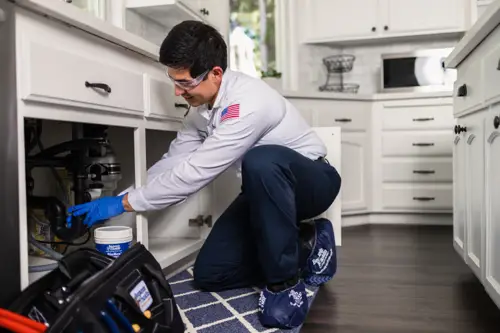
Diego from Benjamin Franklin Plumbing in Miami, working under a sink in a kitchenMiami, Florida homeowners often deal with clogged drains. If you’re dealing with a clogged drain, you’ve probably heard about drain snakes (or plumber’s snakes) as a potential solution.

But you might also be wondering if these tools could end up damaging your pipes. Let’s talk about what you need to know to use a drain snake safely and effectively.

What Is a Drain Snake, and What Does It Do?

Think of a drain snake as a long, flexible cable with a coiled end – kind of like a metal rope that can reach deep into your pipes. It’s great for breaking up or pulling out all sorts of gunk that’s causing clogs, like hair, soap scum, and food waste. That said, it’s not a magical solution for everything. Some blockages might be too tough or too deep for a snake to handle effectively.

How to Snake a Drain Safely

Look, nobody wants to make their plumbing problems worse! Here’s how to use a drain snake to unclog a drain the right way:

Pick the Right Tool for the Job

Think of it like choosing the right tool from your toolbox – you wouldn’t use a sledgehammer to hang a picture, right? For small clogs, a manual snake works fine. But if you’re dealing with something more stubborn, you might need an electric model.

Get Ready Before You Start

Trust me on this one – take a minute to prep your workspace. Clear out any standing water and grab some gloves, towels, and a bucket. Your future self will thank you for not making a huge mess!

The Main Event: Actually Using the Snake

Here’s where you need to be patient. Gently feed the snake into the drain, turning it clockwise as you go. The clockwise motion helps it follow your pipe’s natural curves. Remember, you’re not trying to win an arm-wrestling match here – if you have to force it, something’s wrong. Once the snake reaches the clog, carefully pull it out. Avoid jerking or pulling too quickly to prevent damage to the pipe.

Choosing the Right Size Drain Snake

Using the wrong size drain snake is like trying to fit a square peg in a round hole – it just doesn’t work! Here’s a quick guide:

  • Bathroom sink? Go with a smaller snake.
  • Main sewer line? You’ll need something bigger.
  • Surface clog? Short snake is fine.
  • Deep blockage? Time for a longer tool.

Potential Risks of Using Drain Snakes

Let’s be honest – drain snakes can cause damage if you’re not careful. The biggest risks come from:

  1. Getting too aggressive (your pipes don’t appreciate the rough treatment).
  2. Using a snake that’s too big for your pipes (it’s like trying to squeeze into pants that are two sizes too small).
  3. Not considering the age and condition of your pipes (older pipes are like older people – they need a gentler touch).

How Likely Is Pipe Breakage With Drain Snakes?

Here’s the good news: if you’re careful and use the right technique, the chances of breaking your pipes are pretty low. But there are two situations where you might want to think twice:

  1. If you find yourself really struggling with the snake (when in doubt, don’t force it!).
  2. If your home has older pipes, especially clay or galvanized steel ones.

Drain snakes are super useful tools for unclogging drains, when used correctly. But here’s aome honest advice from Benjamin Franklin Plumbing pros: if you’re not feeling confident about using one, or if you’ve tried and the clog just won’t budge, there’s no shame in calling a Service Minds pro. Sometimes it’s better to spend a little money on a plumber than risk bigger problems down the line.

Quick tip: If you’re in Miami, FL, Ben Franklin Plumbing can help you out with any drain issues you’re facing. Sometimes it’s worth letting the experts handle it!

Filed Under: Blog

Should I Replace or Repair My Sump Pump?

Should I Replace or Repair My Sump Pump?Your sump pump helps protect your Miami, Florida home from water damage. It’s basically the unsung hero of home maintenance. But like any hardworking appliance, sometimes it needs some TLC. If your sump pump starts acting up, how do you know if it’s time to replace it, or if you should call a Benjamin Franklin pro for sump pump repair? Let’s chat about how to know what to do!

What Does a Sump Pump Do?

First things first, what exactly is a sump pump? Picture a superhero that lives in the lowest part of your basement, always on guard against water invasion. When water starts to rise in its special pit (called a sump basin), it springs into action, whisking that water away from your home before it can cause any damage.

Meet the Pump Players

There are two types of sump pumps.

  1. Submersible Pumps: These are the underwater ninjas. They sit right in the pit, working quietly and efficiently to move large amounts of water. Think of them as the special ops of water removal.
  2. Pedestal Pumps: These are more like the support team. The motor sits above the pit, making them easier to service and cheaper to buy. They’re a bit louder, though – like that friend who can’t keep their voice down in a library.

Each type of sump pump can get the job done. If you are choosing a new sump pump, think about your home’s water management needs, noise tolerance, and budget.

Signs of an Aging Sump Pump

Your sump pump might be trying to tell you something’s wrong.

Listen up for these red flags:

  • Frequent Cycling: If it’s turning on and off more frequently than a teenager switches social media apps, something’s up.
  • Weird Noises: Grinding or squealing sounds are never a good sign. It’s like when your car starts making that noise you know is going to be expensive.
  • Rust Alert: Seeing rust? That’s not just an aesthetic issue – it could mean serious trouble.
  • Non-Stop Operation: A pump that never shuts off is like a car constantly running at full speed – it’s going to burn out fast.

These problems need to be taken care of quickly by a Ben Franklin plumber to avoid a total sump pump failure.

When to Repair Your Sump Pump

Sometimes, a little TLC is all your pump needs. These issues are a quick fix for a Benjamin Franklin professional.

  • Simple mechanical issues.
  • Problems with the float switch.
  • Power cord troubles
  • Minor repairs that cost less than $100.

These are like putting a band-aid on a small cut – quick, easy, and effective. Repairs are often the best option for newer pumps with isolated issues. For example, fixing a float switch is an inexpensive repair and could give your sump pump several more years of use.

When to Replace Your Sump Pump

You might need a new pump if:

  • It’s pushing 10 years old (pumps aren’t fine wine – they don’t get better with age).
  • Major mechanical failures.
  • It can’t keep up with water volume during heavy rains.

Preventive Maintenance for a Sump Pump

Keep your sump pump happy by showing it some regular love:

  • Clean out the sump pit.
  • Test the float switch.
  • Check discharge pipes for clogs.
  • Get a professional inspection by a Benjamin Franklin plumber once a year.

Your sump pump is like a silent guardian protecting your Miami, FL home from water damage. Treat it right, and it’ll have your back when those rainy days (or flood-prone seasons) hit.

Not sure what to do? When in doubt, call in a pro from Benjamin Franklin. They can give you the most personalized advice for your specific situation. Remember, a little prevention now can save you from a major headache (and wallet ache) later.

Remember: If there’s any delay it’s YOU we pay!

Filed Under: Blog

What Causes Sump Pump Failure?

What Causes Sump Pump Failure?Let’s talk about something most Miami, FL homeowners don’t think about until disaster strikes: sump pumps. These little lifesavers sit quietly in your basement, ready to prevent water from turning your home into an indoor swimming pool. But what happens when they fail? Sump pump failure can happen, and when they do, it can lead to some serious problems.

Let’s talk about the most obvious signs that your sump pump may be failing, and how Ben Franklin Plumbing can help you keep it in good working order.

Warning Signs of Sump Pump Issues

Imagine walking into your basement and finding it’s turned into a mini lake. Not fun, right? That’s a dead giveaway that your sump pump has given up. But there are usually warning signs that you may notice before your sump pump fails.

  • Tiny water puddles near the pump.
  • Strange noises.
  • Water trickling where it shouldn’t be.

Common Causes of Sump Pump Failure

So, what knocks these water-fighting heroes out of commission?

Here are a few of the most common culprits:

  • Power Problems: Storms hit, lights go out, and suddenly your sump pump is taking an unscheduled break. Without electricity or a working backup battery, water starts to accumulate fast.
  • Solution: Install a high-quality battery backup system, and test it regularly. Replacing batteries on schedule can keep the system reliable during emergencies.
  • Drainage Drama: Misaligned pipes can turn your carefully designed water-removal system into a leaky mess. A professional plumber can help ensure everything’s pointing in the right direction.
  • Solution: Have a Benjamin Franklin plumber inspect the drainage system to confirm it is properly aligned. Fixing any misalignment will help water flow away from your home effectively.
  • Cheap Isn’t Always Smart: That bargain basement sump pump might save you money upfront, but it could cost you big time later. Some of the newest models, for instance, offer features that can save you from potential water damage nightmares.
  • Advice: Invest in a well-made sump pump. Look for sump pumps that offer premium features like durable liners, built-in alarms, and optional battery backups. These features make it a dependable choice for long-term performance. While the initial cost may be higher, the added protection is worth it.

Preventing Sump Pump Failures

Routine maintenance and thoughtful planning go a long way in preventing sump pump problems.

  • Inspect the pump regularly: Look for signs of wear, strange noises, or visible damage.
  • Choose quality equipment: A reliable sump pump with additional features like alarms and backups can help you avoid failures.
  • Consult a professional: If you notice any issues, a Service Minds Ben Franklin plumber can assess the system and address problems before they escalate.

Taking these steps can reduce the risk of sump pump failure and save you from expensive repairs.

A sump pump failure isn’t just inconvenient—it can also be very expensive. Water damage, mold growth, and foundation issues can turn a small problem into a massive headache. A little prevention goes a long way.

Your basement doesn’t have to be a potential disaster zone. Stay vigilant, invest wisely, and keep that sump pump running smoothly. If you have any concerns about how your sump pump is working, or not working, give Benjamin Franklin plumbers a call. We’ll come out promptly to assess your sump pump and make any needed repairs so you can avoid sump pump failure.

Filed Under: Blog

Why Should I Worry about a Leaking Faucet?

Benjamin Franklin Plumber fixing a leaking faucetHey there Miami, Florida homeowners! Let’s talk about something most people ignore: that annoying leaking faucet. You know, the one that goes “drip… drip… drip” in the middle of the night?

Turns out, those little drips are a big deal. We’re talking about nearly 1 trillion gallons of water wasted every year in the U.S. and that’s not just bad for your wallet, it’s rough on the environment too. Ignoring a leaking faucet can do more than shoot your water bill through the roof. If left alone, it can even cause long-term damage to your home. Let’s break down why faucets leak in the first place and when it’s time to call a professional plumber at Benjamin Franklin for help.

Common Causes of Leaking Faucets

First off, let’s break down why faucets leak.

It’s not magic just some common culprits:

  • Crazy water pressure that comes and goes.
  • Worn-out parts inside the faucet.
  • Mineral buildup that corrodes connections.
  • Seals that have seen better days.
  • O-rings that are tired and stretched out.

A small problem in one of these areas can quickly escalate if left unchecked.

Problems Caused by a Dripping Faucet

A dripping faucet might seem minor, but it can have significant consequences. Ignore a leaking faucet, and you might be looking at some major problems.

Structural Damage to Your Miami Home. Constant water exposure can cause a lot of damage. Specifically, you could be looking at damage to your countertops, cabinets, and anything else in the area near the leaking faucet. Over time, it just gets worse. We’re talking about wood that begins to warp, paint starting to peel, and materials that start to break down. You could be looking at a lot of expensive home repairs.

Wasted Water. Even a slow drip can waste thousands of gallons of water each year. This can put a huge strain on your budget, but it can also strain local water supplies.

Higher Utility Bills. A leaking faucet, even if it seems to be a minor problem, can increase your water bill by hundreds of dollars a year.

Mold and Mildew Growth. Excess moisture encourages mold and mildew growth. Not only can these cause damage to your Miami home, but they can also become serious health risks for your family.

Taking care of a leaking faucet early on, can prevent these problems from getting worse or becoming very serious issues.

DIY Fix: When You Can Handle It Yourself

Got a simple leak? you may be able to handle fixing a leaking faucet on your own. Most Miami, FL homeowners can fix a simple leak with the right tools.

When to Call a Ben Franklin Professional Plumber

Some situations are beyond a weekend warrior’s DIY plumbing skills. If your leaking faucet is caused by any of these problems, you’ll want to call in a Benjamin Franklin pro in Miami, FL.

  • Seriously corroded valve seats.
  • Cracked pipes.
  • Leaks hiding deep in the plumbing.
  • Any repair that feels way over your head.

In these plumbing situations, calling a Ben Franklin plumber to fix a leaky faucet ends up saving you a lot of time and can prevent some very costly mistakes.

That little drip isn’t just background noise, it’s a warning sign. Catch it early, and you’ll save money, protect your home, and do something good for the planet.

Got a persistent leak? Don’t stress. Sometimes it’s best to call in the experts at Benjamin Franklin Plumbing in Miami, FL, and get it fixed right the first time. And if there’s any delay it’s YOU we pay!

Filed Under: Blog

Can I Fix a Leaky Faucet Myself?

Closeup of Benjamin Franklin Plumbing Tech, Diego at a kitchen in a Miami FL homeLet’s be real – a leaky faucet is more than just an irritating background noise. It’s costing you money and wasting water with every single drop. The good news? Most Miami, FL homeowners can probably fix this themselves without calling for a professional at Ben Franklin Plumbing. With the right tools and some guidance, you may be able to repair a leaky faucet on your own.

Why Homeowners Should Know How to Fix a Leaky Faucet

Home repairs might seem intimidating, but fixing a leaky faucet is actually pretty simple. You’ll save money, learn something new, and prevent potential water damage. Plus, there’s something satisfying about solving a household problem with your own two hands. It’s an opportunity to handle a common problem quickly and keep your plumbing system in good shape.

What You’ll Need to Fix a Leaking Faucet

Being prepared will make the process go much smoother.

You’ll need grab these tools before you start:

  • Adjustable spanner
  • Screwdrivers (flat and cross-head)
  • Scissors
  • Replacement tap parts (washer or cartridge)

What kind of faucet do you have?

Knowing what type of faucet you are working on will help you get the right replacement parts to complete the project. The different types of faucets need slightly different approaches to repair.

There are two main types of faucets:

  1. Traditional faucets: use rubber washers.
  2. Mixer faucets: use ceramic cartridges.

Step-by-Step Guide: Fixing a Traditional Tap

  1. Turn off the water supply. Find your stopcock and turn off the water. Let the tap run until it stops dripping. This makes sure there is no water left in the pipes.
  2. Take the tap apart. Use your spanner to loosen the nut holding the tap stem. Remove the stem carefully, keeping track of all the parts.
  3. Replace the washer. Remove the old washer at the base of the stem. Slide on or screw in a new washer that matches the size of the original.
  4. Replace the O-ring if needed. If you’ve noticed leaks around the spout, the O-ring may be the problem. Remove the spout and use scissors or a small tool to remove the old O-ring. Slide a new one into place, making sure it fits snugly.
  5. Reassemble the tap. Reassemble the tap in reverse order, then turn the water back on and check for leaks.

How to Fix a Leaking Mixer Tap

Mixer Tap? No problem, as the process for fixing a mixer tap is similar.

  1. Shut off the water.
  2. Remove handles and valve housing.
  3. Replace the cartridge.
  4. Reassemble and test for leaks.

Tips from Ben Franklin Plumbing Pros:

  • Always match replacement parts exactly.
  • Take photos of the disassembly if you’re worried about remembering how to put it back together.
  • A little patience goes a long way.

The bottom line? Most faucet leaks are simple fixes that can save you money and prevent water waste. Give it a shot – you’ve got this!

When to Call a Benjamin Franklin Plumber

If the leak continues after you made the repairs, it might be time to call a professional from Benjamin Franklin in Miami, FL. There is probably a bigger problem that requires specialized tools and expertise to diagnose and fix. In the meantime, collect that dripping water – it’s great for watering plants or cleaning.

Remember: If there’s any delay – it’s YOU we pay!

Filed Under: Blog

Why Is My Shower Dripping When the Water is Off?

Why Is My Shower Dripping When the Water is Off?Ever stepped out of the bathroom only to hear that annoying “drip… drip… drip” sound? You’re not alone. Many Miami, FL, homeowners deal with the irritating issue of a shower dripping. While it might seem like just a small annoyance, that persistent dripping isn’t just driving you crazy – it’s probably hiking up your water bill too. Let’s talk about what’s causing it and how you can fix it. Some reasons behind shower dripping are simple DIY projects. Others need the touch of a plumbing professional from Ben Franklin.

Seven Reasons Why the Shower Dripping Won’t Stop

1. Clogged Shower Head

You know that white crusty stuff on your showerhead? That’s mineral buildup from hard water, and it could be causing your dripping problem. When these minerals clog up the works, water can get trapped and keep dripping even after you’ve turned everything off.

The good news? This is usually an easy fix. Just soak your showerhead in vinegar and water (equal parts) for a few hours, give it a good scrub, and you should be good to go.

2. Damaged Shower Mixer Tap

If your shower can’t seem to make up its mind about the water temperature, or if it’s dripping constantly, your mixer tap might be the culprit. Think of it like a traffic cop for your hot and cold water – when it’s not working right, things can get messy.

3. Broken Shower Hose

Your shower hose puts up with a lot – hot water, cold water, twisting, turning. Eventually, it might develop some cracks or leaks. Take a good look at your hose – any visible damage means it’s time for a new one. Don’t worry, though – replacing it is usually pretty straightforward. If you are not comfortable working on it, call the professionals at Benjamin Franklin.

4. Old Shower Valve

Your shower valve is like the heart of your shower system, controlling water flow. If it’s getting up there in years (they usually last 10-15 years), it might not be closing properly anymore. Age catches up with everything, right?

5. Shower Tap Installation Issues

Sometimes the problem goes back to day one. If your shower tap wasn’t installed quite right, you might be dealing with the consequences now. This is one of those times when calling a Ben Franklin plumbing pro might save you headaches down the road.

6. Shower Caulking Problems

See any cracks or peeling around your shower? That’s your caulking breaking down, and it could be letting water escape where it shouldn’t. A fresh bead of silicone caulk can work wonders here.

7. Worn Shower Washers

Those tiny rubber washers and O-rings in your shower fixtures? They’re actually pretty important. When they wear out (and they will), you get leaks. The good news is they’re usually cheap and easy to replace.

Look, your shower dripping is annoying, but it’s usually not the end of the world. Some fixes you can handle yourself (like cleaning the showerhead or replacing washers), while other repairs to your shower might need a professional plumber. Either way, don’t just live with it – the sooner you fix it, the less water you’ll waste and the more money you’ll save.

Remember, if you’re not confident about tackling any of these repairs yourself, there’s no shame in calling the punctual plumber at Benjamin Franklin. Sometimes spending a little money now saves a lot more later!

Filed Under: Blog

  • « Previous Page
  • 1
  • 2
  • 3
  • 4
  • 5
  • 6
  • Next Page »

How can we help you?

Your Name(Required)
Consent(Required)
By submitting your information, you agree to allow Benjamin Franklin Plumbing to contact you via phone, email, or text regarding your project inquiries. Rest assured, your personal information will remain confidential and will not be shared with third parties for marketing or spam. You can opt out whenever you wish. Standard message/data rates may apply. Consent is not a condition of purchase.
Terms and Conditions | Privacy Policy

Our Location

Benjamin Franklin Plumbing® of Miami
12155 SW 114th Place Bay 22
Miami, FL 33176

Phone: (305) 697-7393

Hours of Operation:

Monday: 24 Hours
Tuesday: 24 Hours
Wednesday: 24 Hours
Thursday: 24 Hours
Friday: 24 Hours
Saturday: 24 Hours
Sunday: 24 Hours

Connect with Us

Facebook Youtube

Our Services

Drain Clearing
Drain Unclogging
Drain Cleaning
Emergency Plumbing
Faucet Installation
Faucet Repair
Garbage Disposals
Garbage Disposal Repair
House Repiping
Hydro-Jetting
Leak Detection
Plumbing Repairs
Sewer Line Repair
Sewer Line Replacement
Shower Installation
Shower Repair
Sump Pumps
Tankless Water Heaters
Toilet Installation
Toilet Repair
Water Filtration
Water Heater Installation
Water Heater Repair
Water Line Repair
Water Line Replacement
Water Softeners
Well Pump Repair

About

Our Company
Contact Us

Copyright © 2026 · Service Minds | License: | Privacy Policy • Terms and Conditions

Book Online
(305) 697-7393